
The Thrill of the Gamble: Dopamine and Expectation
The allure of casino gambling is deeply rooted in human psychology, particularly in the release of dopamine, a neurotransmitter associated with pleasure and reward. When a gambler anticipates a win, their brain releases dopamine, creating a sense of excitement and motivation. This neurochemical response can become a powerful driver, encouraging continued participation in the hope of experiencing that pleasurable sensation again, and this is a core element of why people are drawn to gambling.

The element of chance inherent in games like those found at online platforms such as Snatch Casino amplifies this effect. The unpredictability of outcomes means that every spin of the roulette wheel or shuffle of the cards carries the potential for a significant reward, keeping the brain engaged and the anticipation high. This cycle of expectation and potential reward is a cornerstone of why gambling can be so compelling.
Cognitive Biases: How We Perceive Luck
Several cognitive biases play a significant role in shaping a gambler’s perception of wins and losses. One common bias is the «illusion of control,» where players believe they can influence the outcome of random events, perhaps through rituals or specific betting strategies. This is often seen when players interact with various games, seeking patterns where none exist.
Another prevalent bias is the «gambler’s fallacy,» the mistaken belief that if a particular outcome has not occurred for a while, it is more likely to occur soon. For instance, believing that a certain number is «due» to hit in roulette after a long streak of other numbers. These mental shortcuts can lead to irrational decision-making and a distorted view of probability, impacting how players approach their gambling sessions on platforms like https://snatchcasiino.com/.
The Near Miss Effect and Escalation of Commitment
The «near miss» phenomenon, where a player narrowly avoids a win, can be a powerful psychological trigger. Experiencing a near miss often leads to a stronger desire to continue playing, driven by the belief that a win is imminent. This feeling can be particularly potent in slot games, where visually close outcomes can reinforce the idea that the player is «almost there.»
This can tie into the concept of «escalation of commitment,» where individuals continue to invest time and resources into a failing endeavor. In gambling, this means continuing to play after experiencing losses, hoping to recoup the money lost. The emotional investment in the game, coupled with the hope of a future win, can make it difficult to disengage, even when the financial realities suggest otherwise. Many players at online casinos encounter this psychological trap.
Emotional Regulation and Coping Mechanisms
For many, gambling serves as an emotional outlet or a form of escapism. The excitement of the game can provide a temporary distraction from stress, anxiety, or boredom. Wins can generate feelings of euphoria and confidence, while losses can lead to frustration, regret, or a desire to chase those losses. This emotional rollercoaster is a significant aspect of the gambling experience.
The way individuals manage these emotions is crucial. Some may develop healthy coping mechanisms, knowing when to walk away and recognizing that gambling is a form of entertainment with inherent risks. Others, however, may rely on gambling as their primary coping strategy, leading to a cycle of emotional distress and further gambling. Understanding these emotional dynamics is key to responsible play, whether at a physical casino or an online venue like Snatch Casino.
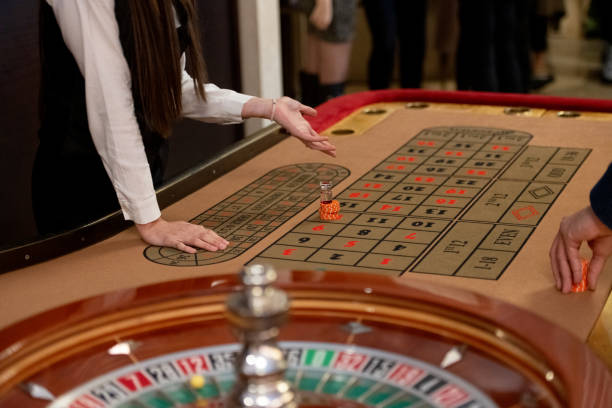
Snatch Casino: Navigating the Psychological Landscape
Snatch Casino offers a wide array of games, each designed to engage players on a psychological level. From the rapid-fire excitement of slots to the strategic depth of table games, the platform provides diverse opportunities for dopamine release and the testing of cognitive biases. The user interface and game mechanics are often crafted to enhance engagement and maintain player interest through visual and auditory cues.
Understanding the psychological forces at play is paramount for a positive and responsible gaming experience at Snatch Casino. By being aware of the dopamine-driven anticipation, the influence of cognitive biases like the gambler’s fallacy, and the impact of emotional states, players can make more informed decisions. Recognizing the near miss effect and practicing emotional regulation are vital steps in ensuring that the thrill of the game remains a form of entertainment, rather than a source of distress.